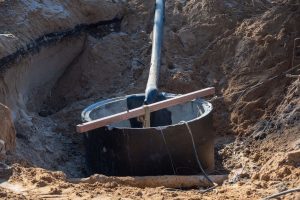
 A yard filled with healthy trees beautifies any property. However, beneath the surface, those beautiful trees may be quietly working against your septic system. Tree roots are naturally drawn to moisture and nutrients, making septic tanks and drain fields an irresistible target. What starts as a tiny root searching for water can quickly become a major plumbing headache underground.
As such, knowing how roots invade septic systems can help homeowners prevent expensive repairs and protect the long-term health of their property.
How Tree Roots Affect Septic Systems
Tree roots are surprisingly aggressive when it comes to finding water sources. Even the smallest crack in a septic pipe can release enough moisture to attract nearby roots. Once roots discover that steady source of water and nutrients, they begin creeping into pipes, tanks, and drain fields.
Over time, roots can expand inside the system, and they may block wastewater flow, crack pipes, or even damage the septic tank structure itself. Older systems are especially vulnerable because aging pipes often develop weak spots that roots can easily penetrate.
Fast-growing trees tend to have the most invasive root systems. Planting these trees too close to a septic area can create serious problems for tank years down the road.
Warning Signs of Root Damage
Root intrusion often starts silently, but eventually the system begins showing signs of distress. Slow drains throughout the house are one of the first red flags. Toilets may gurgle unexpectedly and sinks or tubs might drain sluggishly.
Outside, homeowners may notice soggy patches in the yard near the drain field or unusually lush grass growing in certain areas. In severe cases, sewage odors can begin lingering around the property.
Ignoring these warning signs can lead to complete blockages or system backups. Routine inspections and septic tank maintenance can help identify root problems before they escalate into major repairs.
How to Protect Your Septic System From Roots
Prevention is the best defense against root-related septic damage. Trees should always be planted a safe distance away from tanks and drain fields. While every tree species is different, larger trees generally require much more space.
Regular septic inspections are also essential. Professionals can use specialized equipment to identify root intrusion early and recommend solutions before serious damage occurs. In some cases, roots can be removed mechanically or treated safely to prevent regrowth.
Homeowners should also avoid flushing harmful materials that can weaken the system and make it more vulnerable to damage. Scheduling routine septic pumping services keeps the system functioning efficiently and reduces strain on pipes and components.
If you need septic system services in the Charlotte area, reach out to Carolina Septic Pro today.