Your daily habits have a direct impact on how well your septic system works. Ultimately, the way you use water, clean your home and dispose of waste can all affect how well your system performs.
As such, it’s smart to develop a few septic-friendly household habits that can help reduce unnecessary strain, prevent inconvenient problems, and potentially extend the life of your system.
Be Mindful of What Goes Down the Drain
To protect your septic system, it’s vital to pay attention to what you flush or pour down your drains. Septic tanks are designed primarily to handle wastewater and human waste. Items such as wipes, paper towels, feminine hygiene products, grease, cooking oils, and other materials can contribute to clogs and interfere with normal system operation. Even products labeled as flushable may not break down as quickly as toilet paper. A good household rule is to keep flushing limited to human waste and toilet paper.
Kitchen habits should be considered as well, since pouring fats, oils, and grease down the sink can lead to buildup in pipes and create additional problems inside the septic system. Instead, allow grease to cool and dispose of it with your household trash when appropriate.
Watch How Much Water Your Household Uses
Septic systems need time to process wastewater properly. Sending too much water into the system within a short period can overwhelm the tank and potentially affect the drain field. Spreading out laundry loads, repairing leaking faucets and toilets, and running dishwashers only when they are full can help manage household water usage. Water-efficient fixtures can also reduce the amount of wastewater entering the system.
This doesn’t mean you need to drastically change your daily routine. Small adjustments can make a difference, especially in homes where several people are using water throughout the day.
Make Septic Maintenance Part of Your Routine
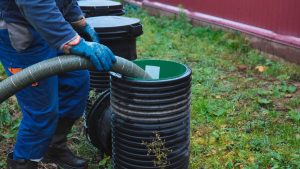
Good habits inside the home should be paired with routine septic maintenance. Tanks gradually collect solids that need to be removed through professional pumping. Ignoring this buildup for too long can increase the risk of backups, slow drains, unpleasant odors, and damage to other parts of the system.
It’s also important to pay attention to changes around your home. Frequently slow drains, gurgling plumbing, sewage odors, unusually wet areas near the drain field, or recurring backups may indicate that the system needs attention. A professional septic inspection can help identify potential issues before they develop into larger repairs.
When you need septic services in the Charlotte area, reach out to Carolina Septic Pro.